Umfassende_Beratung_und_spinania_für_effiziente_Geschäftsmodelle_entwickeln

What they say
Follow us
Subscribe Newsletter

Integer posuere erat a ante venenatis dapibus posuere velit aliquet sites ulla vitae elit libero 

🔥 Spielen ▶️

Umfassende Beratung und spinania für effiziente Geschäftsmodelle entwickeln

In der heutigen dynamischen Geschäftswelt ist es entscheidend, innovative Strategien zu entwickeln, um wettbewerbsfähig zu bleiben und nachhaltiges Wachstum zu erzielen. Ein vielversprechender Ansatz, der in den letzten Jahren an Bedeutung gewonnen hat, ist die Integration von Konzepten, die unter dem Begriff „spinania“ zusammengefasst werden können. Diese beinhalten die kreative Neukombination bestehender Ressourcen und Fähigkeiten, um neue Wertschöpfungsmöglichkeiten zu erschließen. Es geht darum, über traditionelle Denkmuster hinauszugehen und nach unkonventionellen Lösungen zu suchen.

Die erfolgreiche Umsetzung solcher Ansätze erfordert jedoch ein tiefes Verständnis der zugrunde liegenden Prinzipien und eine sorgfältige Planung. Unternehmen müssen bereit sein, Risiken einzugehen und in neue Technologien und Kompetenzen zu investieren. Eine offene Unternehmenskultur, die Innovationen fördert und Mitarbeiter ermutigt, neue Ideen einzubringen, ist ebenfalls von entscheidender Bedeutung. Nur so kann das volle Potenzial von „spinania“ ausgeschöpft werden und zu einem langfristigen Wettbewerbsvorteil führen.

Die Grundlagen von Innovationsstrategien und Ressourcenallokation

Eine effektive Innovationsstrategie ist das Herzstück jedes erfolgreichen Unternehmens, das langfristig wettbewerbsfähig bleiben möchte. Sie umfasst die systematische Suche, Entwicklung und Implementierung neuer Produkte, Dienstleistungen oder Prozesse, die einen Mehrwert für Kunden und Unternehmen schaffen. Dabei spielt die Ressourcenallokation eine entscheidende Rolle. Unternehmen müssen ihre begrenzten Ressourcen – sei es Kapital, Personal oder Zeit – strategisch einsetzen, um die höchsten Renditen zu erzielen. Eine kluge Ressourcenallokation bedeutet, Investitionen in Projekte und Initiativen zu tätigen, die das größte Potenzial für Wachstum und Innovation bieten. Dies erfordert eine gründliche Analyse des Marktes, der Wettbewerbslandschaft und der eigenen Stärken und Schwächen. Oftmals bedeutet es auch, bestehende Geschäftsmodelle zu hinterfragen und neue Wege zu beschreiten. Die Bewertung von Risiken und Chancen ist dabei unerlässlich.

Kernkompetenzen und die Identifizierung von Innovationsfeldern

Um eine erfolgreiche Innovationsstrategie zu entwickeln, müssen Unternehmen zunächst ihre Kernkompetenzen identifizieren – die Fähigkeiten und Ressourcen, die sie von ihren Wettbewerbern unterscheiden. Diese Kernkompetenzen bilden die Grundlage für die Entwicklung neuer Produkte und Dienstleistungen. Die Identifizierung von Innovationsfeldern erfolgt dann durch die Analyse von Markttrends, Kundenbedürfnissen und technologischen Entwicklungen. Dabei ist es wichtig, nicht nur auf bestehende Märkte zu schauen, sondern auch nach unerschlossenen Potenzialen zu suchen. Eine systematische Innovationsstrategie beinhaltet die Definition von klaren Zielen und Kennzahlen, um den Erfolg der Innovationsaktivitäten messen zu können. Dies hilft, den Fokus zu behalten und die Ressourcen effektiv einzusetzen.

InnovationsstrategieRessourcenallokation
Marktorientiert Fokus auf bestehende Kundenbedürfnisse
Technologieorientiert Investition in Forschung und Entwicklung
Kostenorientiert Optimierung von Prozessen und Reduzierung von Kosten
Differenzierungsorientiert Entwicklung einzigartiger Produkte und Dienstleistungen

Die Tabelle zeigt verschiedene Innovationsstrategien und die entsprechenden Ansätze zur Ressourcenallokation. Eine Unternehmen muss die für sich passende Strategie wählen und ihre Ressourcen entsprechend ausrichten.

Die Rolle von flexiblen Geschäftsmodellen und „spinania“

Traditionelle Geschäftsmodelle stoßen zunehmend an ihre Grenzen, da sich die Märkte immer schneller verändern und die Kundenbedürfnisse komplexer werden. Unternehmen müssen daher flexibler werden und ihre Geschäftsmodelle kontinuierlich anpassen, um wettbewerbsfähig zu bleiben. Ein vielversprechender Ansatz ist die Integration von „spinania“, welche die kreative Neukombination bestehender Ressourcen und Fähigkeiten beinhaltet. Dies ermöglicht es Unternehmen, neue Wertschöpfungsmöglichkeiten zu erschließen und sich von ihren Wettbewerbern abzuheben. Flexible Geschäftsmodelle zeichnen sich durch eine hohe Anpassungsfähigkeit an veränderte Marktbedingungen aus. Sie basieren auf einer modularen Struktur, die es Unternehmen ermöglicht, schnell auf neue Chancen und Herausforderungen zu reagieren. Die Digitalisierung spielt dabei eine wichtige Rolle, da sie neue Technologien und Plattformen bereitstellt, die die Entwicklung und Implementierung flexibler Geschäftsmodelle erleichtern.

Agile Methoden und die Förderung von Kreativität

Um flexible Geschäftsmodelle erfolgreich umzusetzen, ist es wichtig, agile Methoden einzusetzen. Diese Methoden basieren auf der iterativen Entwicklung von Produkten und Dienstleistungen, wobei der Fokus auf der schnellen Anpassung an veränderte Kundenbedürfnisse liegt. Agile Teams arbeiten selbstorganisiert und interdisziplinär, um innovative Lösungen zu entwickeln. Die Förderung von Kreativität ist ebenfalls von entscheidender Bedeutung. Unternehmen müssen eine Kultur schaffen, die Mitarbeiter ermutigt, neue Ideen einzubringen und Risiken einzugehen. Dies kann durch die Organisation von Innovationsworkshops, Hackathons oder die Einführung von Anreizsystemen für innovative Ideen erreicht werden. Der Austausch von Wissen und Erfahrungen innerhalb des Unternehmens ist ebenfalls wichtig, um Synergien zu schaffen und die Innovationskraft zu stärken.

  • Förderung einer offenen Kommunikationskultur
  • Ermutigung von Mitarbeitern zur Ideenentwicklung
  • Schaffung von Freiräumen für kreative Arbeit
  • Nutzung von externen Innovationspartnern
  • Bereitstellung von Ressourcen für Forschung und Entwicklung

Diese Punkte fassen die wichtigsten Elemente zusammen, um eine Innovationskultur zu fördern, die die Grundlage für eine erfolgreiche Umsetzung von „spinania“ darstellt und die Entwicklung flexibler Geschäftsmodelle unterstützt.

Die Implementierung von „spinania“ in bestehende Strukturen

Die Integration von „spinania“ in bestehende Unternehmensstrukturen erfordert eine sorgfältige Planung und Umsetzung. Es ist wichtig, die bestehenden Prozesse und Hierarchien zu analysieren und zu identifizieren, wo Anpassungen erforderlich sind. Oftmals erfordert dies eine Veränderung der Unternehmenskultur, um eine offene und kollaborative Arbeitsweise zu fördern. Eine mögliche Vorgehensweise ist die Bildung von interdisziplinären Teams, die mit der Entwicklung und Umsetzung von neuen Ideen betraut sind. Diese Teams sollten aus Mitarbeitern verschiedener Abteilungen und Hierarchieebenen bestehen, um eine vielfältige Perspektive zu gewährleisten. Die Implementierung von „spinania“ kann auch die Einführung neuer Technologien und Werkzeuge erfordern, die die Zusammenarbeit und den Wissensaustausch erleichtern. Wichtig ist, dass die Einführung von „spinania“ nicht als einmaliges Projekt betrachtet wird, sondern als kontinuierlicher Prozess der Verbesserung und Innovation.

Change Management und die Einbindung der Mitarbeiter

Die erfolgreiche Implementierung von „spinania“ hängt maßgeblich vom Change Management ab. Mitarbeiter müssen von den Vorteilen der neuen Strategie überzeugt werden und bereit sein, sich auf Veränderungen einzulassen. Dies erfordert eine transparente Kommunikation und eine aktive Einbindung der Mitarbeiter in den Veränderungsprozess. Es ist wichtig, Ängste und Bedenken auszuräumen und die Mitarbeiter zu schulen, um sie auf die neuen Herausforderungen vorzubereiten. Die Einbindung der Mitarbeiter kann auch durch die Beteiligung an der Ideenfindung und der Umsetzung von Projekten erfolgen. Eine positive Einstellung der Mitarbeiter zur Veränderung ist entscheidend für den Erfolg von „spinania“. Die Führungskräfte spielen dabei eine wichtige Rolle, indem sie als Vorbilder agieren und die Innovationskultur im Unternehmen fördern.

  1. Klare Kommunikation der Ziele und Vorteile von „spinania“
  2. Einbindung der Mitarbeiter in den Veränderungsprozess
  3. Schulung der Mitarbeiter auf die neuen Herausforderungen
  4. Förderung einer positiven Einstellung zur Veränderung
  5. Anerkennung und Belohnung von innovativen Ideen

Dieser strukturierte Ansatz hilft Unternehmen, die Herausforderungen des Change Management zu meistern und die Akzeptanz von „spinania“ bei den Mitarbeitern zu erhöhen.

Herausforderungen und Risiken bei der Umsetzung von „spinania“

Obwohl „spinania“ ein vielversprechender Ansatz ist, birgt die Umsetzung auch Herausforderungen und Risiken. Eine der größten Herausforderungen ist die Überwindung von Widerständen innerhalb des Unternehmens. Mitarbeiter, die an traditionellen Arbeitsweisen festhalten, könnten skeptisch gegenüber neuen Ideen sein und sich gegen Veränderungen sperren. Eine weitere Herausforderung ist die Identifizierung und Entwicklung der richtigen Fähigkeiten und Kompetenzen. Die Umsetzung von „spinania“ erfordert Mitarbeiter, die kreativ, innovativ und risikobereit sind. Darüber hinaus besteht das Risiko, dass Projekte scheitern oder die erwarteten Ergebnisse nicht erzielt werden. Eine sorgfältige Planung und Risikobewertung sind daher unerlässlich. Die Investition in neue Technologien und Kompetenzen kann ebenfalls mit hohen Kosten verbunden sein. Unternehmen müssen daher die Kosten und Nutzen sorgfältig abwägen, bevor sie in „spinania“ investieren.

Neue Perspektiven durch die Kombination von „spinania“ und Nachhaltigkeit

Die Kombination von „spinania“ mit Nachhaltigkeitsstrategien eröffnet Unternehmen neue Perspektiven und Chancen. Durch die kreative Neukombination von Ressourcen und Fähigkeiten können Unternehmen nachhaltigere Produkte und Dienstleistungen entwickeln, die einen positiven Beitrag zur Umwelt und Gesellschaft leisten. Dies kann beispielsweise durch die Verwendung von recycelten Materialien, die Reduzierung von Emissionen oder die Förderung fairer Arbeitsbedingungen erreicht werden. Nachhaltigkeit ist nicht nur ein ethisches Gebot, sondern auch ein wichtiger Wettbewerbsvorteil. Kunden legen zunehmend Wert auf nachhaltige Produkte und Dienstleistungen und sind bereit, dafür einen höheren Preis zu zahlen. Unternehmen, die auf Nachhaltigkeit setzen, können daher ihre Markenreputation verbessern und neue Kunden gewinnen. Darüber hinaus können nachhaltige Geschäftsmodelle langfristig die Kosten senken und die Ressourceneffizienz steigern. Ein Beispiel hierfür ist die Kreislaufwirtschaft, bei der Produkte und Materialien so lange wie möglich im Wirtschaftskreislauf gehalten werden.

Die Integration von „spinania“ und Nachhaltigkeit erfordert jedoch eine ganzheitliche Betrachtung des Unternehmens und seiner Wertschöpfungskette. Unternehmen müssen ihre Lieferanten, Partner und Kunden in den Nachhaltigkeitsprozess einbeziehen und gemeinsam nach innovativen Lösungen suchen. Dies erfordert eine offene Kommunikation und Zusammenarbeit sowie eine gemeinsame Vision für eine nachhaltige Zukunft. Der Einsatz von Technologien wie Blockchain kann dabei helfen, die Transparenz und Rückverfolgbarkeit der Lieferkette zu verbessern und sicherzustellen, dass Produkte und Materialien nachhaltig hergestellt werden.

Leave a Reply

Your email address will not be published. Required fields are marked *

Core Qualification

  • St. Paul College Foundation Inc., Philippines – Bachelor of Education with a major in English
  • Busan International Foreign School, South Korea – EARCOS Global Citizenship Award, completion of Secondary education & multiple awards in sport and student leadership


Key Experiences

  • Third year at MIS. Joined as Year 3 Homeroom, moved to Year 2 in 2023. Other roles include: Primary School Counsellor, Designated Safeguarding Lead (DSL), Wellbeing Subject Lead & Primary Student Council Coordinator
  • Philippines – Year 11 & 12 English Teacher (including Oral Communication, Philosophy of Man, Personal Development & History). Also Year 7,8, & 11 English Teacher (including Oral Communication, Values Education, Reading & Writing Skills)

Core Qualification

  • Cebu Institute of Technology, Philippines – Bachelor of Elementary Education & Early Childhood Education
  • University of San Carlos, Philippines – Bachelor of Sicence in Secondary Education


Key Experiences

  • MIS Year 1 Homeroom teacher for 2 years & promoted to Head of Lower Primary last year
  • Egypt- Early Years Homeroom (UK curriculum)
  • Malaysia-Early Years Homeroom & promoted toHead of Early Years (UK curriculum)
  • South Korea-Early Years Homeroom & headed Science, Music & Social Studies sequentially (Primary Years Programme)
  • Shanghai, China- Pre-Nursery Homeroom (UK curriculum)

Core Qualification

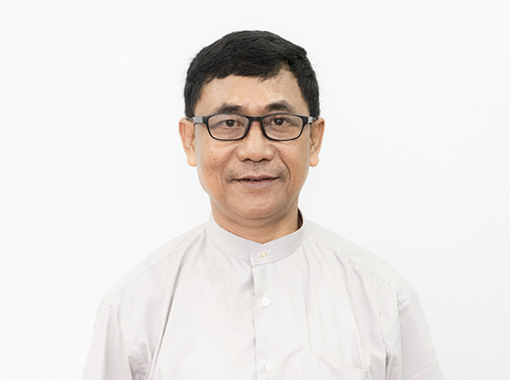
  • Dagon University, Myanmar – Bacherlor of English
  • Advanced-Level Diploma- Early Childhood Care & Development
  • Eastern Institute of Technology, New Zealand – Certificate in Business Communication and Oral English


Key Experiences

  • Taught at MIS for the past 15 years (one of our longest-serving team members!) in KG and Year 1
  • Horizon International School – Gained additional experience with three years as KG Homeroom Teacher
  • International School of Myanmar (ISM) – Began teaching career with 8 years as Teaching Assistant in KG

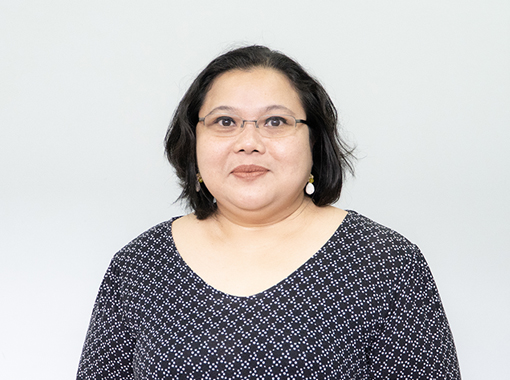
Core Qualification

  • UK Diploma Teaching English to Speakers of Other Languages (TESOL) & Certificates in Teaching Phonics & Teaching Knowledge
  • Ministry of Social Welfare, Relief and Resettlement, Myanmar – Diploma in Early Childhood Care and Development
  • Dagon University, Myanmar – Master of Science


Key Experiences

  • A value member of the MIS team for 14 years
  • Began career as an assistant teacher, gaining 6 years of experience in this role
  • With additional experience & qualifications, transitioned to Homeroom Teacher to pursue her passion for teaching as lead facilitator

Core Qualification

  • Diploma in Fitness & Diploma in Sports Nutrition (Udemy Inc)
  • Teaching English as a Foreign Language (TEFL)
  • Bachelor of English Literature (Canterbury University, UK)


Key Experiences

  •  Joined MIS in 2023 as Year 4 Homeroom, & taught English
  •  China-Top Shanghai international school for 4+ years, English Teacher to students aged 3-12 (in person & online)
  • Taught taekwondo to students aged 3-12
  • Before teaching: Field Manager, Market Development Manager & Corporate Trainer
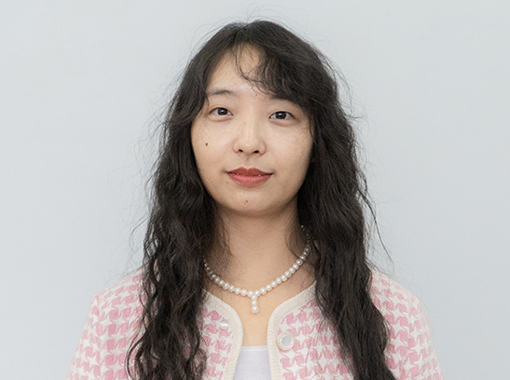
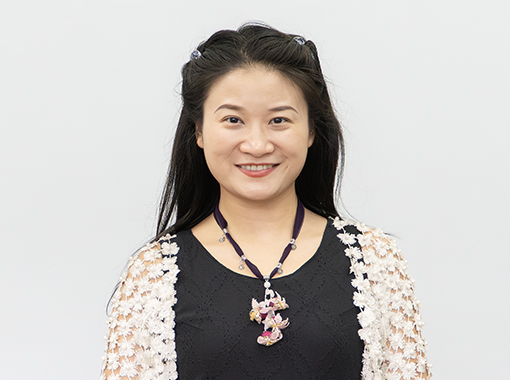
Rebecca is from Xi’an in China and she has been teaching in international schools for six years. She obtained her BA in education and her teaching licence from the University of Xi’an. She then completed a Master of Education Degree with Moreland University in the United States. In the last academic year, Rebecca also completed her QTS, the British teaching qualification. She also had a Level 5 TEFL, an English Teaching qualification. She is looking forward to meeting all her students in August, and helping them to learn more about China and the Chinese Language.
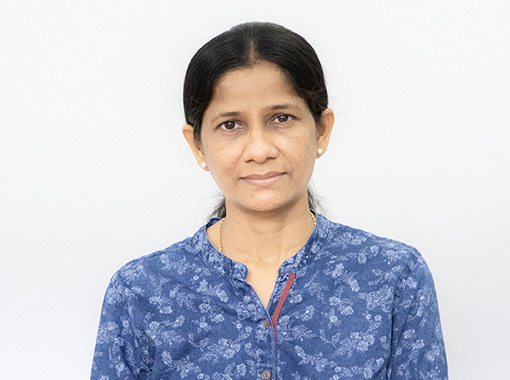
K Khaing is from Myanmar and has been teaching at international schools here for 10 years. This is her first year at MIS, where she will be an EAL teacher for primary students. K Khaing holds a B.A. English, Diploma in English and a Diploma in Information Technology. She has also completed a full time TEFL certificate at college in Chiang Thailand. She has attended workshops on Jolly Phonics and Jolly Grammar and will be using these in her teaching at MIS. She also has experience working with students who need extra support and require an advanced program of learning in order to reach their full potential.
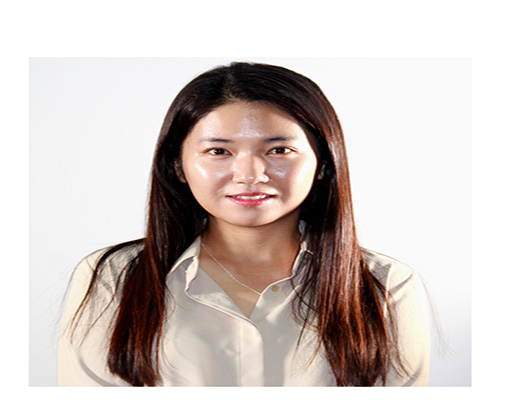
Theint Thiri Soe is very excited to be joining the staff at MIS as a teacher of physical education at MIS. She is from Yangon, Myanmar and before joining MIS, she taught at Brainworks International School for two years. Theint Thiri Soe earned her bachelor’s degree, B.Sc (sports) from Dagon university.
Tin Tin San is a specialist art teacher and has a Bachelor’s degree (B.A) in painting from the University of Culture, Yangon. Tin Tin San has been a freelance artist for 21 years and has been teaching Art since 2008. Prior to joining MIS, she taught at Crane International school Myanmar for four years. This year, Tin Tin San will be utilising the Cambridge Art Curriculum to expose our students to a range of different artists and techniques.
Su Mon is the MIS Librarian and has been a Library Professional for over 10 years. She joined MIS in 2018 to provide library services students and faculty members. During the pandemic, Su Mon also worked as a Year 6 assistant teacher but is thrilled to be returning to the library. She holds a Master of Research Library and Information Studies ( M.Res LIS ), a Master of Library and Information Studies ( MLIS ) and a Diploma of Library and Information Studies ( Dip LIS ) from the University of Yangon. Her bachelor’s degree is a B.Sc Mathematics. Su Mon earned her certificate of Ethics and Public Service training from the Idaho Commission for Libraries (USA) in 2020. She completed her teacher training in Early Childhood Care and Development ( ECCD ) course in 2020.
Aye Hnin Phyu has a Bachelor Degree in Science and a Diploma in TESOL. She also has a Diploma in Early Childhood Care and Development (ECCD). This will be her 12th year at MIS and she will be teaching Myanmar Language, Music and Art in lower primary and Myanmar Language for Foreign students in upper primary. She is excited to get to know all her students and is sure that they will have lots of fun learning together this new school year.
Arlene is an experienced international school teacher and has worked in International education for over 17 years since completing her teaching degree. Arlene joins us after 2 years in the Royal British International School in Cairo Egypt. She was previously the Head of Early Years and served on the senior leadership team during her 5 year posting in Malaysia. Prior to that she spent 5 years teaching at Busan International Foreign School, South Korea and 5 years at The British International School, China.


Core Qualification

  • University of Western Sydney, Australia – Master of Education (with an emphasis on the effective teaching of Mathematics)
  • University of New South Wales, Australia – Bachelor of Commerce


Key Experiences

  • MIS UP Homeroom Teacher for 13 years
  • Excellent understanding of Cambridge Curriculum & Year 6 Checkpoint test expectations in particular
  • Extracurriculars include sports coaching & Primary StuCo.
  • Australia – Taught students up to High School level in Sydney with a specialism in mathematics

Rosie has been teaching at MIS for five years, but is originally from Cambridge, UK. Over the past 10 years, she has also taught in schools in the UK, USA and Spain. She earned her bachelor’s degree in History from the University of East Anglia and then went on to study for her PGCE at the University of Cambridge, where she received her QTS (Qualified Teacher Status). In her spare time, Rosie enjoys walking her three dogs, reading and writing, as well as improving her fluency in Spanish. Rosie is looking forward to completing many fun and fascinating projects in her classes this year. She is excited to work as a team with her colleagues, students and their parents, to inspire a love of learning and to raise achievement at MIS.
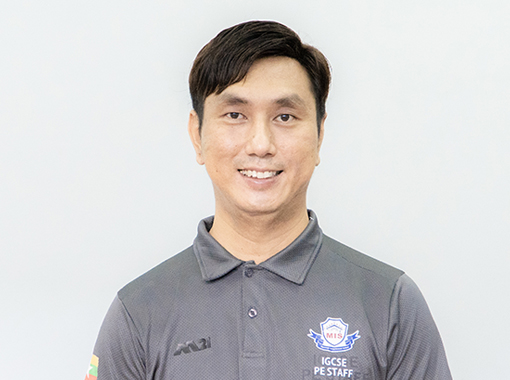
Nelson has been teaching PE for more than 10 years and this year will be the 5th year with MIS. Nelson was a former Myanmar National Table Tennis player and he is a professional C License Football coach (AFC). Nelson is a certified teacher of PE (Healthy Practice: Physical Activity, Nutrition, Community and Family Participation verified certificate from University of Colorado).
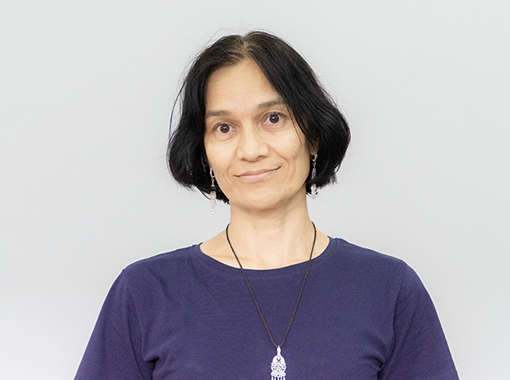
Elena has been teaching EAL for more than 15 years and this year will be the 6th with MIS. Elena is a certified teacher of English (Specialist Degree in Teaching English and TEFL certificate). She has taught the English language at all levels.
Reese is going into her 5th year at MIS in which she has been teaching Korean in Middle School. Reese graduated from a College in Canada and worked at an English academy for three years in Korea.
U Aung Myat Moe has been teaching Myanmar since 1992. He has worked at ISY as a substitute and part-time Myanmar Language teacher before joining MIS where he has been teaching Myanmar Studies and Myanmar language for 6 years. He also serves as a part time lexicographer in the Myanmar lexical databases project at the Department of Myanmar Nationalities Languages, Ministry of Education. He holds a BA (Myanmar)
Callis is going into her 6th year at MIS in which she has been teaching Chinese in Middle School and IGCSE, A&AS-Level Chinese in High School. Callis is an experienced educator with a proven record of exceptional student achievement Callis graduated from a university in China with a BA in teaching Chinese as a Foreign Language. She used to run a major dancing community in Wuhan, and is currently pursuing her Master’s in Education.
Alma has been teaching music at MIS since it was established in 2009. She holds a degree in Bachelor of Science in Elementary Education Major in Music. She taught at Yamaha Music School before joining the international schools in Yangon, Myanmar. Currently, she is teaching music in lower, upper primary, and middle school. She has had various training sessions on the Orff and Kodaly approach to music education for a productive and enjoyable music program.
Peter has Art and Teaching qualifications from the University of KwaZulu Natal and the Peninsula University of Technology, South Africa. He has taught Art for many years from Primary to Tertiary Levels in South Africa and Thailand. He is thrilled to be at MIS and aims to help learners grow by developing their individual strengths to achieve their best in Art.
Dr.Eshwari, has been in teaching field and school administration for more than 12 years, worked as a HoD of Commerce and Humanities and high school teacher handling subjects like Economics, Business Studies, Global Perspectives, Geography and Travel and Tourism. She has worked in a couple of international schools in Maldives, India and Myanmar. She is well familiar with Cambridge, Edexcel, AP and IB MYP, DP curriculum. She holds a Masters and Ph.D in Economics from University of Madras, India. She has undergone a number of professional development courses and workshops provided by Cambridge and IB. Being a CAS coordinator in her previous workplace, she has involved the whole school agents to take part in and outside school community services, starting In-school club activities, conducting intra/inter school competitions.
Eleanor has been teaching for more than 15 years in varied levels, from Preschool to college, and some special education students, both in the Philippines and in various cities in Myanmar. She started teaching in Cambridge International schools in 2019, in Mandalay, then Monywa and now in Yangon at MIS. She was also a High School Counselor and a College Counselor back in the Philippines. She holds a Bachelor of Science in Psychology degree, with earned units in Sociology and Anthropology, and Education, as well as a Diploma in Special Education. She has yet to finish Master in Education in Special Education. She has a Professional Teaching License from the Professional Regulation Commission (PRC) of the Philippines and a member of the International School Counselors Association (ISCA) as well as Myanmar International School Counselors Association (MISCA) . She has certificates of completion in TEFL, Cambridge Primary Science both Introductory and Extension (0846 and 0097), Designated Safeguarding Lead – Level 3, other teaching and counseling related training certificates and in March 2023, Cambridge International AS and A Level Psychology (9990) Introductory and Extension by May 2023.
Nidhi has been teaching Business at MIS for 10 years now, starting with IGCSE Business Studies, and offering AS & A level Business classes as the school expanded. She has also worked in other areas such as being a Homeroom teacher, organising secondary electives, international day, and student support through these years. She holds a Bachelor of Business Studies (BBS) and an MBA degree and worked in the corporate sector before embracing teaching as her full-time profession.
Christian has 3 years teaching Year 8 Social Studies & and 2 years teaching Business Studies at MIS. This year Christian will teach IGCSE and Middle School Global Perspectives. Christian was born in England, raised in Hong Kong and spent most of his teaching career in China. Christian studied BA Social Anthropology (Kent, UK); PgDip, Travel & Tourism (Nottingham, UK); PgDip, Business Administration (Melbourne, AUS); and later American TESOL (China cohort). Christian is a dedicated teacher who inspires students in creative ways by employing imaginative approaches to lessons that help them make real life connections.

Kalinga is an experienced, qualified, enthusiastic and kind teacher who has a passion for teaching chemistry. He has a B.Sc., and M.Sc. and a Postgraduate Diploma in Science Education. He also holds a Postgraduate Certificate in Advanced Organic Chemistry. For his valuable and active participation in carrying out scientific research, he has also
been awarded the Presidential Award for Scientific Research.
In his 20-year-old successful career in education, he has taught chemistry at well- established and prestigious International Schools in Sri Lanka, Oman and Saudi Arabia. Kalinga is married to Indrani and has two daughters.

Edwin is a Bachelor of Science (BSc) graduate He is also a holder of a postgraduate diploma in education (PGDE), an MIS diploma in IT and currently working on his master of science (MSc) project in Physics. He has served as the CPD Coordinator and a head of science and mathematics department. He has undergone a number of trainings for professional development in both subjects. He has been teaching Physics and mathematics for over 18 years now. He has experience in interacting with and guiding the learners to maximize their individual potential. He is pleased to be part of the MIS team.

Komalsh has been a Biology Teacher for the past 12 years, specializing in IGCSE and A Level content. She is an alumnus from The University of Malaya, Kuala Lumpur, graduating with a BSc& B.Ed. (Hons) and MSc. Ed.
Komalsh has training in marking for A levels Biology from CIAE. She also is a Microsoft Certified Trainer. Komalsh enjoys reading, baking and working on petit legos in her free time, she will continue to play a great role under the Science Department.

John is an enthusiastic Apple Certified Teacher who holds a Bachelor’s Degree in Computer Science and is technically certified in several operating system platforms. He is a Certified HUAWEI Cloud Computing Engineer, Certified Cyberoam Network and Security Professional (CCNSP), Networking and operating systems (GOOGLE), Certificate in teaching Computing, British Computer Society. John specializes in getting students to understand the practical side of computers and always has the students’ needs in mind.

Anthony brings a wealth of experience and expertise to his role as an ICT Specialist Teacher at MIS. He holds a Bachelor of Science (BSc) and a Master of Science (MSc) in Computer Engineering,providing him with a strong foundation in the technical aspects of the field. With over 18 years of experience teaching in international schools across diverse countries, Anthony possesses a deep understanding of curriculum development and effective pedagogy within a multicultural environment. His commitment to professional development is further evidenced by his TEFL certificate, Executive Diploma in TESOL, and various professional certificates awarded by the British Council. These certifications encompass vital areas such as Special Educational Needs (SEN), Learning Management, professional development strategies,digital technologies and leadership training

Edmer has been teaching at MIS for the past 9 years. He has been a middle school Mathematics teacher and an IGCSE Y10 Mathematics teacher. He holds a Bachelor in Secondary Education major in Mathematics and completed his TESOL certificate.

Dr.S.Purushothaman has been teaching Mathematics for more than 15 years at various Cambridge international schools in India, Maldives, Qatar and Thailand for AS, A Level, IGCSE and international Mathematics. He had experience in digital teaching by using Mymaths, cinch and Aleks programmes and guiding the students for ACT, SAT. He holds a professional development course in Intermediate Cambridge IGCSE & A Level Mathematics. He holds a Doctorate in Mathematics at University of Allahabad and Master of education at University of Bangalore. He is completely ready to use modern technology in teaching and learning process, giving extra care for students who need to improve their learning skills. His motto is to nurture the students and make them a better example in their life for others.

Marilyn has been an educator for the past 30 years in various capacities and grade levels in South Africa. I am especially passionate about teaching English and creating a passion in the students. Marilyn has a Teaching qualification from the University of the Witwatersrand, an IEB Assessor and Moderator’s certificate, Cambridge training and also Steve Jobs training from the University of Maastricht in the Netherlands. Marilyn is looking forward to creating a passion for English and making a fundamental difference in the lives of the students in the coming academic year.

Tony has been a teacher in an international setting for 11 years. He has been a Middle School English and EAL teacher at MIS for the past 3 years. Tony has a NZ Bachelor in Education,Cambridge English Language Teaching certification (CELTA), IELTS Invigilator accreditation (IDP), and a NZ Diploma in Business Management.

Mr. Anthony is British, gaining his teaching qualifications from Birmingham and Wolverhampton Universities with honours in the UK. He has been teaching all the Sciences (Biology, Chemistry and Physics) since 1979. He started his teaching career in England but his experience includes 34 years overseas work in some of the finest British curriculum schools around the world, including schools in Turkey, Malawi, Brunei, China, South Korea, Malaysia and Egypt. He also has management and teacher training experience with the British Government’s Overseas Development programmes. South East Asia is his favourite part of the world.

Vinodh has Masters in Science (Physics & Mathematics), B. Ed(School Education) & ESOL Diploma from Cambridge University. Over the past 23 years, Vinodh has worked with young people as a teacher and youth worker. His experience with established as well as new schools in India, Singapore,China, Malaysia, Papua New Guinea & Myanmar has helped him to discern closely the constantly evolving needs of schools and varied demands of different students and curricula. His personal and professional experiences of working in various schools across the globe played a significant contribution to motivate and inspire students, be it may be as a class teacher or as an administrator. He is extremely delighted to continue the role of Secondary Principal. His area of focus is to make sure that each and every student in MIS takes a keen interest in learning, experiences amazing learning and score above potential in all of their academic disciplines.