Le établissement de jeu Global Banking Mafia prend en charge plusieurs devises pour la France

What they say
Follow us
Subscribe Newsletter

Integer posuere erat a ante venenatis dapibus posuere velit aliquet sites ulla vitae elit libero 

Comic 8: Casino Kings - Part 1 (2015) | MUBI

Le modèle de « établissement de jeu de la mafia bancaire mondiale » constitue un changement majeur dans le paysage financier français. La acceptation de plusieurs devises simplifie les transactions internationales tout en présentant des défis considérables aux structures bancaires traditionnels. Cette avancée provoque un examen attentif de ses implications plus larges pour l’économie, la conformité réglementaire et l’engagement des utilisateurs. À mesure que les participants s’adaptent à ces changements, des interrogations se posent quant à l’équilibre entre dangers et possibilités au sein de ce paradigme en mutation. Quels seront les conséquences à long terme de cette métamorphose ?

Points clés à retenir

  • Le casino Global Banking Mafia améliore la flexibilité des transactions grâce à la acceptation de plusieurs devises, attirant ainsi divers acteurs en France.
  • Les transactions de devises sans pause facilitent les opérations, ce qui profite au commerce international et diminue les coûts liés aux conversions intermédiaires.
  • En France, les utilisateurs peuvent réduire les risques liés aux variations monétaires, ce qui leur permet de faire des décisions financières informées dans un contexte instable.
  • Avec l’intégration grandissante de la finance numérique, les fonctionnalités multidevises attirent les jeunes générations qui favorisent les solutions fintech efficaces.
  • Le adhésion des normes est essentiel pour le établissement de jeu de la mafia bancaire mondiale, garantissant l’adhésion au Code monétaire et financier français dans un contexte financier en constante évolution.

Expérience utilisateur : Gestion de plusieurs devises

Comment assurer une UX optimale lors de la gestion de diverses devises dans un environnement bancaire de plus en plus numérique ? L’intégration de technologies avancées facilitant la conversion de devises et le traitement des transactions en instantanément est essentielle. Grâce à des algorithmes sélectionnant automatiquement les meilleurs taux, les plateformes peuvent améliorer la satisfaction client.

De plus, des interfaces conviviales sont essentielles ; une conception intuitive diminue la charge mentale des utilisateurs, leur permettant de naviguer sans effort parmi les différentes options de devises.

Les portefeuilles multidevises jouent aussi un rôle important, Mafia Casino, permettant aux utilisateurs de détenir et de échanger des fonds au sein d’un seul compte. Cette fonctionnalité réduit le besoin d’opérations de change compliquées et accélère les transactions.

De plus, proposer un service client efficace et des ressources pédagogiques peut aider les utilisateurs à comprendre les variations des devises, renforçant ainsi leur confiance et leur implication. Enfin, privilégier la facilité, l’efficience et la clarté est essentiel pour exploiter pleinement le potentiel des services bancaires multi-devises dans un monde digital.

Support multi-devises : un atout majeur

La prise en charge multidevises augmente considérablement la souplesse des opérations pour les utilisateurs, autorisant des transactions sans heurts sur différents marchés économiques.

Cette capacité permet non seulement de optimiser les transactions, mais aussi d’élargir l’entrée au marché, permettant ainsi la implication d’un vaste éventail de participants.

Par conséquent, l’introduction des systèmes multi-devises représente un bouleversement fondamental dans le paysage bancaire, ayant un impact à la fois sur l’efficacité opérationnelle et sur l’implication des utilisateurs.

Flexibilité augmentée des opérations

L’amélioration de la flexibilité des transactions est de plus en plus reconnue comme un avantage important dans le secteur bancaire actuel, notamment avec l’développement du soutien multi-devises.

Ce système permet aux institutions financières de simplifier les opérations en différentes monnaies, notamment en simplifiant les opérations des particuliers et des entreprises impliqués dans le commerce international. En permettant des transactions de monnaies fluides, les institutions réduisent le besoin aux conversions intermédaires, souvent sources de coûts et de retards.

De plus, une meilleure souplesse dans le sélection des devises favorise une meilleure performance des transactions et des recouvrements, minimisant ainsi les risques liés aux variations de devises. Cette fonctionnalité permet aux utilisateurs de faire des choix plus véloces et informées concernant leurs transactions financières.

Entrée élargi au secteur

Dans le paysage économique connecté d’aujourd’hui, l’accès à plusieurs devises étend considérablement les possibilités de marché pour les entreprises comme pour les consommateurs. La support de plusieurs monnaies permet des opérations internationales sans heurts, supprimant ainsi les limitations imposées par les structures à devise unique.

Les sociétés peuvent ainsi élargir leur base de clients et améliorer leur compétitivité sur les secteurs internationaux. De plus, cela encourage l’créativité en permettant aux nouvelles sociétés d’séduire plus facilement des investisseurs internationaux.

Les consommateurs bénéficient d’un pouvoir d’achat accru et d’choix d’investissement diversifiées. Grâce à des frais de transaction et des coûts de conversion diminués, la rentabilité est rendue plus accessible.

L’adoption de modèles multidevises par les institutions financières augmente l’accessibilité globale du marché, stimulant la expansion économique et favorisant la collaboration mondiale. Ce changement de paradigme représente une progrès majeure vers un système financier plus inclusif.

L’impact sur les institutions bancaires traditionnelles

L’émergence d’un support multidevises par des entités non traditionnelles pose des défis majeurs aux institutions bancaires existantes.

Face à l’intensification de la compétition, les banques classiques doivent s’adapter à l’évolution des tendances numériques sous peine de diminuer leur pertinence sur le marché.

Ce changement exige une reconsidération tactique de leurs cadres opératifs afin de rester compétitifs dans un environnement financier en perpétuelle mutation.

Rivalité avec les banques établies

À mesure que les institutions bancaires mondiales s’engagent de plus en plus le secteur des plateformes multidevises, la compétition s’accroît, posant des challenges majeurs aux banques classiques.

Ces institutions, depuis longtemps reliées des schémas bancaires traditionnels, sont soumises à la contrainte d’se renouveler face à l’attraction grandissant des options de change adaptables et des expériences client améliorées offertes par les nouveaux participants.

La diversification des prestations, tels que les portefeuilles numériques et la support des cryptomonnaies, détourne les consommateurs des banques traditionnelles, ce qui peut potentiellement éroder leur portion de marché.

De plus, l’efficacité accrue et les coûts de opération réduits associés à ces systèmes pourraient rendre le modèle bancaire traditionnel moins attractif.

Face à une concurrence intensifiée, les banques classiques doivent réévaluer leurs plans afin de fidéliser leur clientèle et de assurer leur pertinence dans un écosystème financier en perpétuelle évolution.

Ajustement aux tendances numériques

Malgré les progrès accélérés des technologies numériques, les banques classiques ont eu du mal à s’adapter complètement à l’évolution des exigences des consommateurs dans un environnement de plus en plus numérique.

Ce retard s’explique en partie par des infrastructures obsolètes et une dépendance aux systèmes hérités, ce qui freine l’innovation. Face à l’proposition de services allégés et d’expériences client améliorées proposée par les technologies financières et les banques numériques, les banques traditionnelles sont de plus en plus obligées d’évoluer.

Pour maintenir leur compétitivité, elles doivent adopter des technologies telles que l’intelligence artificielle, la blockchain et les apps mobiles. Par ailleurs, les contraintes légales compliquent la passage vers les solutions digitales.

Ne pas aborder ces challenges pourrait causer une diminution des parts de marché et une détérioration de la confiance des clients, car les nouvelles générations favorisent la flexibilité, la vitesse et la commodité des services financiers par rapport aux pratiques bancaires conventionnelles.

Dangers et bénéfices des services bancaires liés aux casinos

Bien que les services bancaires associés aux casinos puissent offrir des opportunités financières attrayantes, il est crucial de considérer les risques inhérents. L’intégration des jeux d’argent aux services bancaires traditionnels introduit une instabilité pouvant de affaiblir la solidité financière. Dépendants des gains incertains des jeux, les clients peuvent être exposés à des variations de la valeur de leurs comptes. De plus, le surveillance régulatoire est renforcé, les instances s’assurant au respect des réglementations en matière de lutte contre le blanchiment d’argent (LCB) et de connaissance du client.

À l’inverse, les avantages possibles des services bancaires liés aux casinos ne doivent pas être négligés. Une meilleure expérience utilisateur et la possibilité de administrer plusieurs devises peuvent séduire une base de clients variée. Des produits financiers novateurs liés sur les performances des jeux pourraient générer des rendements substantiels et attirer les investisseurs prêts à prendre des risques.

De plus, les clients peuvent profiter de transactions simplifiées et d’options de crédit accessibles.

Tendances futures dans les secteurs du jeu et de la banque

L’innovation est sur le point de redéfinir l’intersection des secteurs des jeux de hasard et des services bancaires, car les progrès technologiques et l’changement du comportement des consommateurs entraînent des transformations radicaux.

Parmi les tendances émergentes figure l’incorporation de la technologie blockchain, qui augmente la transparence et la sécurité des transactions. L’utilisation des monnaies numériques devrait se répandre, permettant des transactions instantanés et attirant potentiellement une base de clients plus férue de technologie.

De plus, l’intelligence artificielle devrait transformer la gestion des risques et l’expérience client dans les deux secteurs, grâce à des offres personnalisées et à des analyses prédictives qui amélioreront l’efficacité des opérations.

Des stratégies de ludification pourraient émerger au sein des institutions bancaires, permettant aux clients d’acquérir des compétences financières tout en mettant en avant les services.

Les modifications législatifs joueront également un rôle essentiel, les régions s’adaptant pour accueillir les nouveaux modèles commerciaux qui fusionnent les activités bancaires et du jeu.

À mesure que ces secteurs progressent, la coopération pourrait devenir essentielle, favorisant des partenariats qui optimisent la prestation de services tout en surmontant les nouveaux obstacles.

L’évolution culturelle vers la finance numérique en France

Avec l’essor de la finance numérique en France, un changement culturel significatif modifie la manière dont les individus et les sociétés traitent avec l’finance.

L’essor des applications bancaires sur mobile, des cryptomonnaies ainsi que des paiements sans fil indique d’une acceptation croissante des opérations dématérialisées. Ce changement n’est point uniquement technologique ; cela traduit un transformation fondamentale des comportements économiques ainsi que de la vision de la sûreté.

Les jeunes cohortes, notamment, se montrent de plus en plus disposées à embrasser les solutions fintech, qu’elles perçoivent comme plus performantes ainsi que conviviales que les prestations bancaires traditionnels. Cette évolution renforce la concurrence dans le domaine bancaire, forçant les banques existantes à innover et à s’adapter.

En outre, la pandémie de COVID-19 a davantage précipité cette adoption, les particuliers recherchant des méthodes de règlement plus sûres et les sociétés se trouvant soumises à des contraintes afin de rationaliser leurs opérations.

Par conséquent, la finance numérique devient l’équivalent de commodité et d’accessibilité, ce qui incite à une réévaluation des pratiques et des institutions bancaires traditionnelles dans tout le territoire.

L’essor du casino de la mafia bancaire mondiale

L’émergence du « établissement de jeu mafieux bancaire global » illustre une fusion remarquable entre secteur financier et influence organisée, reflétant un basculement de modèle dans l’exercice du contrôle économique. Ce phénomène se caractérise par l’intégration des réseaux bancaires traditionnels à des éléments du criminalité organisé, donnant naissance à un réseau complexe opérant au-delà des frontières et des réglementations.

Les institutions financières travaillent de plus en plus avec des acteurs non étatiques, fragilisant ainsi les cadres réglementaires classiques destinés à protéger l’économie. L’croissance de ces organisations est facilité par les avancées technologiques qui permettent des opérations instantanées et assurent l’anonymat des parties prenantes.

De plus, le groupe de la organisation criminelle bancaire globale bénéficie des systèmes de conformité laxistes et des lacunes en matière d’mise en œuvre de la loi au sein des juridictions nationales. Son influence représente un risque significatif pour la stabilité financière, car les activités illégales peuvent perturber les places financières et affaiblir la confiance du grand public dans les réseaux bancaires.

À mesure que cette organisation dynamique progresse, elle remet en question les concepts existantes de la validité au sein de la secteur financier globale, ce qui nécessite des réponses législatives urgentes pour réduire son effet.

Surmonter les obstacles réglementaires en France

Naviguer dans le contexte réglementaire compliqué de la France représente un défi important pour les entités bancaires internationales, en particulier celles qui effectuent des opérations multidevises.

Le régime de régulation financière français, gouverné par une législation et un supervision strict, impose le conformité des réglementations nationales et européennes. Les institutions doivent se conformer à divers cadres juridiques, notamment au Code financier et financier, qui définit les exigences de respect fondamentales.

Par ailleurs, le respect des instructions anti-blanchiment et des réglementations en matière de protection des données complexifie encore la condition. Les institutions bancaires mondiales doivent également travailler avec l’Autorité de Contrôle Prudentiel et de Résolution (ACPR), en s’assurant à ce que leurs méthodes en matière d’adéquation des capitaux propres et de gestion des risques répondent aux critères rigoureux imposés.

Par ailleurs, l’changement constante de la régulation financière, influencée par les progrès technologiques et les éléments géopolitiques, nécessite une ajustement permanente. De ce fait, les établissements bancaires mondiaux doivent placer largement dans l’compétence réglementaire et les infrastructures de respect pour prospérer dans cet milieu compliqué.

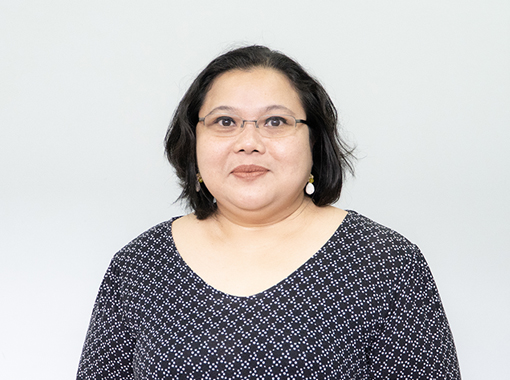
Core Qualification

  • St. Paul College Foundation Inc., Philippines – Bachelor of Education with a major in English
  • Busan International Foreign School, South Korea – EARCOS Global Citizenship Award, completion of Secondary education & multiple awards in sport and student leadership


Key Experiences

  • Third year at MIS. Joined as Year 3 Homeroom, moved to Year 2 in 2023. Other roles include: Primary School Counsellor, Designated Safeguarding Lead (DSL), Wellbeing Subject Lead & Primary Student Council Coordinator
  • Philippines – Year 11 & 12 English Teacher (including Oral Communication, Philosophy of Man, Personal Development & History). Also Year 7,8, & 11 English Teacher (including Oral Communication, Values Education, Reading & Writing Skills)

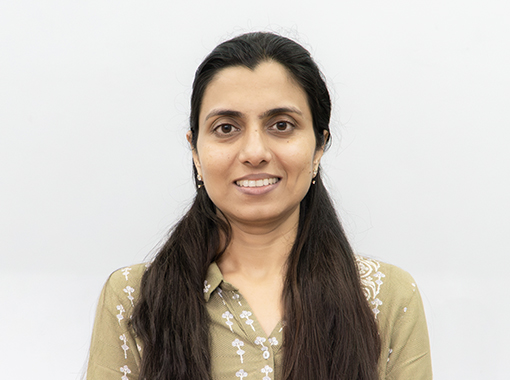
Core Qualification

  • Cebu Institute of Technology, Philippines – Bachelor of Elementary Education & Early Childhood Education
  • University of San Carlos, Philippines – Bachelor of Sicence in Secondary Education


Key Experiences

  • MIS Year 1 Homeroom teacher for 2 years & promoted to Head of Lower Primary last year
  • Egypt- Early Years Homeroom (UK curriculum)
  • Malaysia-Early Years Homeroom & promoted toHead of Early Years (UK curriculum)
  • South Korea-Early Years Homeroom & headed Science, Music & Social Studies sequentially (Primary Years Programme)
  • Shanghai, China- Pre-Nursery Homeroom (UK curriculum)

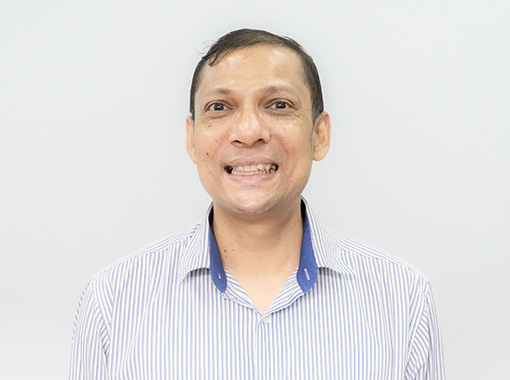
Core Qualification

  • Dagon University, Myanmar – Bacherlor of English
  • Advanced-Level Diploma- Early Childhood Care & Development
  • Eastern Institute of Technology, New Zealand – Certificate in Business Communication and Oral English


Key Experiences

  • Taught at MIS for the past 15 years (one of our longest-serving team members!) in KG and Year 1
  • Horizon International School – Gained additional experience with three years as KG Homeroom Teacher
  • International School of Myanmar (ISM) – Began teaching career with 8 years as Teaching Assistant in KG

Core Qualification

  • UK Diploma Teaching English to Speakers of Other Languages (TESOL) & Certificates in Teaching Phonics & Teaching Knowledge
  • Ministry of Social Welfare, Relief and Resettlement, Myanmar – Diploma in Early Childhood Care and Development
  • Dagon University, Myanmar – Master of Science


Key Experiences

  • A value member of the MIS team for 14 years
  • Began career as an assistant teacher, gaining 6 years of experience in this role
  • With additional experience & qualifications, transitioned to Homeroom Teacher to pursue her passion for teaching as lead facilitator

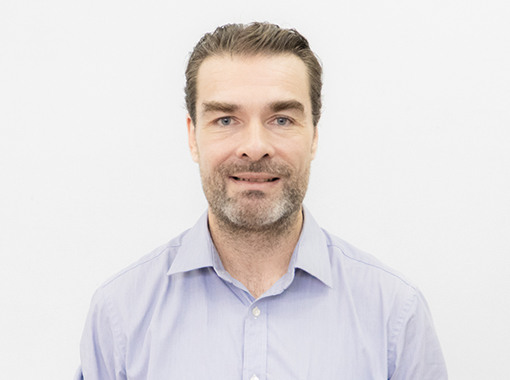
Core Qualification

  • Diploma in Fitness & Diploma in Sports Nutrition (Udemy Inc)
  • Teaching English as a Foreign Language (TEFL)
  • Bachelor of English Literature (Canterbury University, UK)


Key Experiences

  •  Joined MIS in 2023 as Year 4 Homeroom, & taught English
  •  China-Top Shanghai international school for 4+ years, English Teacher to students aged 3-12 (in person & online)
  • Taught taekwondo to students aged 3-12
  • Before teaching: Field Manager, Market Development Manager & Corporate Trainer
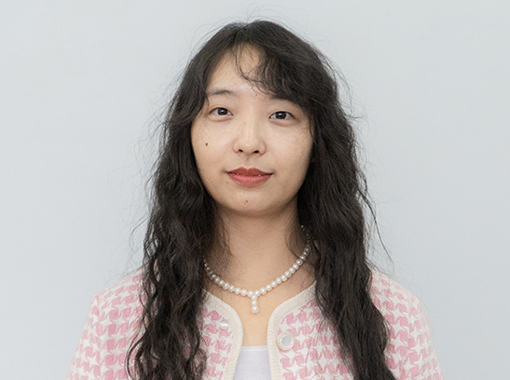
Rebecca is from Xi’an in China and she has been teaching in international schools for six years. She obtained her BA in education and her teaching licence from the University of Xi’an. She then completed a Master of Education Degree with Moreland University in the United States. In the last academic year, Rebecca also completed her QTS, the British teaching qualification. She also had a Level 5 TEFL, an English Teaching qualification. She is looking forward to meeting all her students in August, and helping them to learn more about China and the Chinese Language.
K Khaing is from Myanmar and has been teaching at international schools here for 10 years. This is her first year at MIS, where she will be an EAL teacher for primary students. K Khaing holds a B.A. English, Diploma in English and a Diploma in Information Technology. She has also completed a full time TEFL certificate at college in Chiang Thailand. She has attended workshops on Jolly Phonics and Jolly Grammar and will be using these in her teaching at MIS. She also has experience working with students who need extra support and require an advanced program of learning in order to reach their full potential.
Theint Thiri Soe is very excited to be joining the staff at MIS as a teacher of physical education at MIS. She is from Yangon, Myanmar and before joining MIS, she taught at Brainworks International School for two years. Theint Thiri Soe earned her bachelor’s degree, B.Sc (sports) from Dagon university.
Tin Tin San is a specialist art teacher and has a Bachelor’s degree (B.A) in painting from the University of Culture, Yangon. Tin Tin San has been a freelance artist for 21 years and has been teaching Art since 2008. Prior to joining MIS, she taught at Crane International school Myanmar for four years. This year, Tin Tin San will be utilising the Cambridge Art Curriculum to expose our students to a range of different artists and techniques.
Su Mon is the MIS Librarian and has been a Library Professional for over 10 years. She joined MIS in 2018 to provide library services students and faculty members. During the pandemic, Su Mon also worked as a Year 6 assistant teacher but is thrilled to be returning to the library. She holds a Master of Research Library and Information Studies ( M.Res LIS ), a Master of Library and Information Studies ( MLIS ) and a Diploma of Library and Information Studies ( Dip LIS ) from the University of Yangon. Her bachelor’s degree is a B.Sc Mathematics. Su Mon earned her certificate of Ethics and Public Service training from the Idaho Commission for Libraries (USA) in 2020. She completed her teacher training in Early Childhood Care and Development ( ECCD ) course in 2020.
Aye Hnin Phyu has a Bachelor Degree in Science and a Diploma in TESOL. She also has a Diploma in Early Childhood Care and Development (ECCD). This will be her 12th year at MIS and she will be teaching Myanmar Language, Music and Art in lower primary and Myanmar Language for Foreign students in upper primary. She is excited to get to know all her students and is sure that they will have lots of fun learning together this new school year.
Arlene is an experienced international school teacher and has worked in International education for over 17 years since completing her teaching degree. Arlene joins us after 2 years in the Royal British International School in Cairo Egypt. She was previously the Head of Early Years and served on the senior leadership team during her 5 year posting in Malaysia. Prior to that she spent 5 years teaching at Busan International Foreign School, South Korea and 5 years at The British International School, China.


Core Qualification

  • University of Western Sydney, Australia – Master of Education (with an emphasis on the effective teaching of Mathematics)
  • University of New South Wales, Australia – Bachelor of Commerce


Key Experiences

  • MIS UP Homeroom Teacher for 13 years
  • Excellent understanding of Cambridge Curriculum & Year 6 Checkpoint test expectations in particular
  • Extracurriculars include sports coaching & Primary StuCo.
  • Australia – Taught students up to High School level in Sydney with a specialism in mathematics

Rosie has been teaching at MIS for five years, but is originally from Cambridge, UK. Over the past 10 years, she has also taught in schools in the UK, USA and Spain. She earned her bachelor’s degree in History from the University of East Anglia and then went on to study for her PGCE at the University of Cambridge, where she received her QTS (Qualified Teacher Status). In her spare time, Rosie enjoys walking her three dogs, reading and writing, as well as improving her fluency in Spanish. Rosie is looking forward to completing many fun and fascinating projects in her classes this year. She is excited to work as a team with her colleagues, students and their parents, to inspire a love of learning and to raise achievement at MIS.
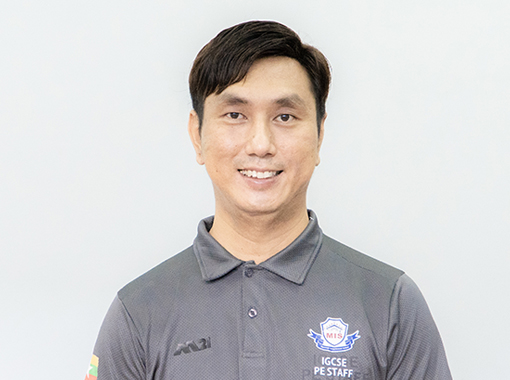
Nelson has been teaching PE for more than 10 years and this year will be the 5th year with MIS. Nelson was a former Myanmar National Table Tennis player and he is a professional C License Football coach (AFC). Nelson is a certified teacher of PE (Healthy Practice: Physical Activity, Nutrition, Community and Family Participation verified certificate from University of Colorado).
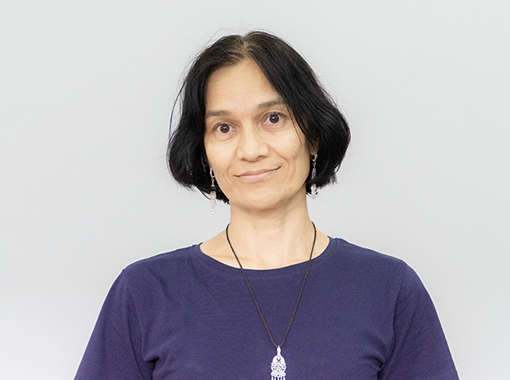
Elena has been teaching EAL for more than 15 years and this year will be the 6th with MIS. Elena is a certified teacher of English (Specialist Degree in Teaching English and TEFL certificate). She has taught the English language at all levels.
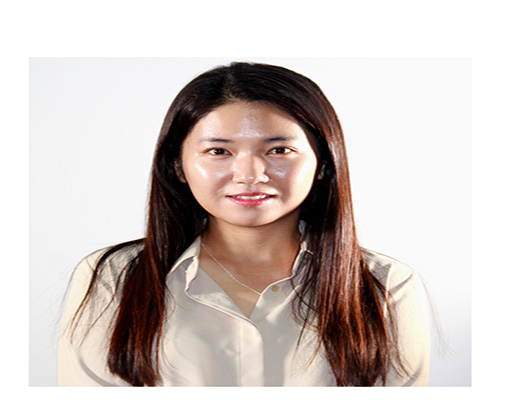
Reese is going into her 5th year at MIS in which she has been teaching Korean in Middle School. Reese graduated from a College in Canada and worked at an English academy for three years in Korea.
U Aung Myat Moe has been teaching Myanmar since 1992. He has worked at ISY as a substitute and part-time Myanmar Language teacher before joining MIS where he has been teaching Myanmar Studies and Myanmar language for 6 years. He also serves as a part time lexicographer in the Myanmar lexical databases project at the Department of Myanmar Nationalities Languages, Ministry of Education. He holds a BA (Myanmar)
Callis is going into her 6th year at MIS in which she has been teaching Chinese in Middle School and IGCSE, A&AS-Level Chinese in High School. Callis is an experienced educator with a proven record of exceptional student achievement Callis graduated from a university in China with a BA in teaching Chinese as a Foreign Language. She used to run a major dancing community in Wuhan, and is currently pursuing her Master’s in Education.
Alma has been teaching music at MIS since it was established in 2009. She holds a degree in Bachelor of Science in Elementary Education Major in Music. She taught at Yamaha Music School before joining the international schools in Yangon, Myanmar. Currently, she is teaching music in lower, upper primary, and middle school. She has had various training sessions on the Orff and Kodaly approach to music education for a productive and enjoyable music program.
Peter has Art and Teaching qualifications from the University of KwaZulu Natal and the Peninsula University of Technology, South Africa. He has taught Art for many years from Primary to Tertiary Levels in South Africa and Thailand. He is thrilled to be at MIS and aims to help learners grow by developing their individual strengths to achieve their best in Art.
Dr.Eshwari, has been in teaching field and school administration for more than 12 years, worked as a HoD of Commerce and Humanities and high school teacher handling subjects like Economics, Business Studies, Global Perspectives, Geography and Travel and Tourism. She has worked in a couple of international schools in Maldives, India and Myanmar. She is well familiar with Cambridge, Edexcel, AP and IB MYP, DP curriculum. She holds a Masters and Ph.D in Economics from University of Madras, India. She has undergone a number of professional development courses and workshops provided by Cambridge and IB. Being a CAS coordinator in her previous workplace, she has involved the whole school agents to take part in and outside school community services, starting In-school club activities, conducting intra/inter school competitions.
Eleanor has been teaching for more than 15 years in varied levels, from Preschool to college, and some special education students, both in the Philippines and in various cities in Myanmar. She started teaching in Cambridge International schools in 2019, in Mandalay, then Monywa and now in Yangon at MIS. She was also a High School Counselor and a College Counselor back in the Philippines. She holds a Bachelor of Science in Psychology degree, with earned units in Sociology and Anthropology, and Education, as well as a Diploma in Special Education. She has yet to finish Master in Education in Special Education. She has a Professional Teaching License from the Professional Regulation Commission (PRC) of the Philippines and a member of the International School Counselors Association (ISCA) as well as Myanmar International School Counselors Association (MISCA) . She has certificates of completion in TEFL, Cambridge Primary Science both Introductory and Extension (0846 and 0097), Designated Safeguarding Lead – Level 3, other teaching and counseling related training certificates and in March 2023, Cambridge International AS and A Level Psychology (9990) Introductory and Extension by May 2023.
Nidhi has been teaching Business at MIS for 10 years now, starting with IGCSE Business Studies, and offering AS & A level Business classes as the school expanded. She has also worked in other areas such as being a Homeroom teacher, organising secondary electives, international day, and student support through these years. She holds a Bachelor of Business Studies (BBS) and an MBA degree and worked in the corporate sector before embracing teaching as her full-time profession.
Christian has 3 years teaching Year 8 Social Studies & and 2 years teaching Business Studies at MIS. This year Christian will teach IGCSE and Middle School Global Perspectives. Christian was born in England, raised in Hong Kong and spent most of his teaching career in China. Christian studied BA Social Anthropology (Kent, UK); PgDip, Travel & Tourism (Nottingham, UK); PgDip, Business Administration (Melbourne, AUS); and later American TESOL (China cohort). Christian is a dedicated teacher who inspires students in creative ways by employing imaginative approaches to lessons that help them make real life connections.

Kalinga is an experienced, qualified, enthusiastic and kind teacher who has a passion for teaching chemistry. He has a B.Sc., and M.Sc. and a Postgraduate Diploma in Science Education. He also holds a Postgraduate Certificate in Advanced Organic Chemistry. For his valuable and active participation in carrying out scientific research, he has also
been awarded the Presidential Award for Scientific Research.
In his 20-year-old successful career in education, he has taught chemistry at well- established and prestigious International Schools in Sri Lanka, Oman and Saudi Arabia. Kalinga is married to Indrani and has two daughters.

Edwin is a Bachelor of Science (BSc) graduate He is also a holder of a postgraduate diploma in education (PGDE), an MIS diploma in IT and currently working on his master of science (MSc) project in Physics. He has served as the CPD Coordinator and a head of science and mathematics department. He has undergone a number of trainings for professional development in both subjects. He has been teaching Physics and mathematics for over 18 years now. He has experience in interacting with and guiding the learners to maximize their individual potential. He is pleased to be part of the MIS team.

Komalsh has been a Biology Teacher for the past 12 years, specializing in IGCSE and A Level content. She is an alumnus from The University of Malaya, Kuala Lumpur, graduating with a BSc& B.Ed. (Hons) and MSc. Ed.
Komalsh has training in marking for A levels Biology from CIAE. She also is a Microsoft Certified Trainer. Komalsh enjoys reading, baking and working on petit legos in her free time, she will continue to play a great role under the Science Department.

John is an enthusiastic Apple Certified Teacher who holds a Bachelor’s Degree in Computer Science and is technically certified in several operating system platforms. He is a Certified HUAWEI Cloud Computing Engineer, Certified Cyberoam Network and Security Professional (CCNSP), Networking and operating systems (GOOGLE), Certificate in teaching Computing, British Computer Society. John specializes in getting students to understand the practical side of computers and always has the students’ needs in mind.

Anthony brings a wealth of experience and expertise to his role as an ICT Specialist Teacher at MIS. He holds a Bachelor of Science (BSc) and a Master of Science (MSc) in Computer Engineering,providing him with a strong foundation in the technical aspects of the field. With over 18 years of experience teaching in international schools across diverse countries, Anthony possesses a deep understanding of curriculum development and effective pedagogy within a multicultural environment. His commitment to professional development is further evidenced by his TEFL certificate, Executive Diploma in TESOL, and various professional certificates awarded by the British Council. These certifications encompass vital areas such as Special Educational Needs (SEN), Learning Management, professional development strategies,digital technologies and leadership training

Edmer has been teaching at MIS for the past 9 years. He has been a middle school Mathematics teacher and an IGCSE Y10 Mathematics teacher. He holds a Bachelor in Secondary Education major in Mathematics and completed his TESOL certificate.

Dr.S.Purushothaman has been teaching Mathematics for more than 15 years at various Cambridge international schools in India, Maldives, Qatar and Thailand for AS, A Level, IGCSE and international Mathematics. He had experience in digital teaching by using Mymaths, cinch and Aleks programmes and guiding the students for ACT, SAT. He holds a professional development course in Intermediate Cambridge IGCSE & A Level Mathematics. He holds a Doctorate in Mathematics at University of Allahabad and Master of education at University of Bangalore. He is completely ready to use modern technology in teaching and learning process, giving extra care for students who need to improve their learning skills. His motto is to nurture the students and make them a better example in their life for others.

Marilyn has been an educator for the past 30 years in various capacities and grade levels in South Africa. I am especially passionate about teaching English and creating a passion in the students. Marilyn has a Teaching qualification from the University of the Witwatersrand, an IEB Assessor and Moderator’s certificate, Cambridge training and also Steve Jobs training from the University of Maastricht in the Netherlands. Marilyn is looking forward to creating a passion for English and making a fundamental difference in the lives of the students in the coming academic year.

Tony has been a teacher in an international setting for 11 years. He has been a Middle School English and EAL teacher at MIS for the past 3 years. Tony has a NZ Bachelor in Education,Cambridge English Language Teaching certification (CELTA), IELTS Invigilator accreditation (IDP), and a NZ Diploma in Business Management.

Mr. Anthony is British, gaining his teaching qualifications from Birmingham and Wolverhampton Universities with honours in the UK. He has been teaching all the Sciences (Biology, Chemistry and Physics) since 1979. He started his teaching career in England but his experience includes 34 years overseas work in some of the finest British curriculum schools around the world, including schools in Turkey, Malawi, Brunei, China, South Korea, Malaysia and Egypt. He also has management and teacher training experience with the British Government’s Overseas Development programmes. South East Asia is his favourite part of the world.

Vinodh has Masters in Science (Physics & Mathematics), B. Ed(School Education) & ESOL Diploma from Cambridge University. Over the past 23 years, Vinodh has worked with young people as a teacher and youth worker. His experience with established as well as new schools in India, Singapore,China, Malaysia, Papua New Guinea & Myanmar has helped him to discern closely the constantly evolving needs of schools and varied demands of different students and curricula. His personal and professional experiences of working in various schools across the globe played a significant contribution to motivate and inspire students, be it may be as a class teacher or as an administrator. He is extremely delighted to continue the role of Secondary Principal. His area of focus is to make sure that each and every student in MIS takes a keen interest in learning, experiences amazing learning and score above potential in all of their academic disciplines.