Wpłaty i wypłaty w kasynach internetowych w 2026 roku: śledztwo wokół szybkości, kosztów i bezpieczeństwa

What they say
Follow us
Subscribe Newsletter

Integer posuere erat a ante venenatis dapibus posuere velit aliquet sites ulla vitae elit libero 

Historia internetowych płatności hazardowych zaczęła się od prostych przelewów bankowych i kart, które wymagały cierpliwości oraz ręcznego potwierdzania transakcji. Z czasem pojawiły się portfele elektroniczne, kody przedpłacone i rozwiązania mobilne. W 2026 roku wybór metody nie jest już technicznym dodatkiem do rejestracji, lecz jednym z najważniejszych kryteriów oceny kasyna internetowego działającego z myślą o polskim użytkowniku.

Właśnie dlatego warto spojrzeć na rynek przez pryzmat zaplecza finansowego, a nie wyłącznie wysokości premii. Serwis banco może być przydatnym punktem wyjścia do porównania ofert, jednak ostateczna decyzja powinna wynikać z analizy licencji, regulaminu, czasu realizacji i przejrzystości opłat. Nasze porównanie koncentruje się na tym, co dzieje się z pieniędzmi po kliknięciu przycisku „wpłać” lub „wypłać”.

Problem: ta sama oferta może oznaczać różne doświadczenia

Reklamy kasyn często eksponują bonus powitalny, liczbę gier oraz atrakcyjne grafiki. Znacznie rzadziej pokazują ograniczenia dotyczące płatności. Tymczasem właśnie w tym obszarze kryją się różnice, które mogą zmienić ocenę całej platformy. Jedna witryna zaksięguje przelew niemal natychmiast, ale wypłatę uzależni od dodatkowej weryfikacji. Inna pozwoli na szybki przelew, lecz doliczy opłatę albo narzuci wysoki próg minimalny.

Najczęstsze problemy można podzielić na kilka grup:

  • niejasny czas oczekiwania na wypłatę;
  • różne limity dla wpłat i wypłat;
  • opłaty ukryte w tabeli prowizji lub kursach przewalutowania;
  • wymóg przesłania dokumentów dopiero po zleceniu wypłaty;
  • niedopasowanie metody płatniczej do polskiego rachunku lub telefonu;
  • regulaminy bonusów, które blokują środki po spełnieniu nieoczywistych warunków.

Do tego dochodzi kwestia legalności. Użytkownik z Polski powinien sprawdzić, czy operator może oferować usługi na danym rynku oraz czy zasady odpowiedzialnej gry są widoczne i zrozumiałe. Sama obecność polskiego języka nie jest dowodem zgodności z przepisami. Nie jest nim również szeroki katalog automatów.

Jak przeprowadzić analizę krok po kroku

1. Ustal, czego naprawdę potrzebujesz

Najpierw trzeba określić priorytet. Osoba wykonująca niewielkie, okazjonalne wpłaty będzie zwracała uwagę na niski próg minimalny i prostotę obsługi. Gracz korzystający z większych kwot bardziej doceni limity, stabilność banku oraz jasną procedurę wypłaty. Ktoś grający głównie na telefonie może preferować metodę mobilną, podczas gdy użytkownik komputera wybierze tradycyjny przelew.

Nie istnieje jedna najlepsza opcja dla wszystkich. Właściwe pytanie brzmi: która metoda ogranicza ryzyko opóźnienia, zbędnych kosztów i nieporozumień w mojej sytuacji?

2. Sprawdź dostępność przed rejestracją

Niektóre kasyna pokazują pełną listę płatności dopiero po utworzeniu konta. To utrudnia porównanie. Warto wcześniej znaleźć stronę z metodami wpłat i wypłat, walutami, limitami oraz przewidywanym czasem realizacji. Jeżeli te informacje są ukryte albo napisane bardzo ogólnie, należy potraktować to jako sygnał ostrzegawczy.

Ważne jest również rozróżnienie między metodą dostępną do wpłat a metodą dostępną do wypłat. Operator może przyjmować środki kartą, ale zwracać je wyłącznie przelewem bankowym. Taka praktyka sama w sobie nie musi być nieprawidłowa, lecz powinna być jasno opisana.

3. Porównaj szybkość, a nie tylko obietnicę

„Natychmiastowa wpłata” oznacza zwykle szybkie zaksięgowanie środków po stronie kasyna. Nie mówi nic o wypłacie. W tym przypadku trzeba sprawdzić trzy osobne etapy: zatwierdzenie zlecenia przez operatora, ewentualną kontrolę tożsamości oraz czas zaksięgowania pieniędzy przez dostawcę płatności.

Przelew bankowy może wymagać od kilku godzin do kilku dni roboczych. Portfel elektroniczny bywa szybszy, ale często wymaga zgodności danych osobowych. Rozwiązania mobilne są wygodne przy wpłatach, jednak ich dostępność przy wypłatach zależy od operatora. Zamiast ufać hasłom marketingowym, należy szukać konkretnych przedziałów czasowych.

4. Oblicz całkowity koszt transakcji

Koszt nie zawsze pojawia się jako osobna prowizja. Może być zawarty w kursie walutowym, opłacie pośrednika albo warunku minimalnej kwoty wypłaty. Jeżeli konto gracza prowadzone jest w innej walucie niż polski rachunek, nawet niewielka różnica kursowa może mieć znaczenie przy częstszych transakcjach.

Przed wpłatą trzeba odpowiedzieć na cztery pytania:

  • Czy operator pobiera opłatę za wypłatę?
  • Czy bank lub dostawca płatności dolicza własny koszt?
  • Czy istnieje minimalna kwota wypłaty?
  • Czy środki bonusowe mają osobny sposób rozliczenia?

5. Zweryfikuj procedurę tożsamości

Kontrola dokumentów jest standardowym elementem bezpieczeństwa, ale jej moment ma znaczenie. Rzetelna platforma wyjaśnia, jakie dokumenty mogą być potrzebne, dlaczego są wymagane i jak są chronione. Jeżeli kasyno odracza wypłatę bez podania przyczyny albo zmienia wymagania w trakcie, użytkownik powinien zachować ostrożność.

Nie należy wysyłać dokumentów przez przypadkowy komunikator ani na adres, którego nie da się potwierdzić na oficjalnej stronie. Bezpieczniejszym rozwiązaniem jest panel konta z szyfrowanym przesyłaniem danych.

Przykłady różnych podejść na rynku

Przelew bankowy: rozwiązanie tradycyjne

Przelew bankowy jest łatwy do zrozumienia i nie wymaga zakładania dodatkowego portfela. Dobrze sprawdza się przy większych kwotach, ponieważ pozostawia czytelny ślad transakcji. Wadą może być dłuższe oczekiwanie, zwłaszcza gdy operator korzysta z zagranicznego rachunku lub realizuje wypłaty wyłącznie w dni robocze.

Portfel elektroniczny: szybkość za cenę dodatkowego konta

Portfel elektroniczny często pozwala oddzielić płatności związane z rozrywką od głównego rachunku bankowego. Zwykle oferuje szybkie księgowanie i wygodny podgląd historii. Trzeba jednak sprawdzić opłaty za przelew środków na rachunek bankowy oraz zasady weryfikacji. Dodatkowe konto oznacza także kolejne hasło, regulamin i obowiązek ochrony dostępu.

Płatność mobilna: wygoda dla użytkownika telefonu

Rozwiązania mobilne są intuicyjne i dobrze pasują do małych, jednorazowych wpłat. Ich zaletą jest ograniczenie liczby pól formularza. Nie zawsze nadają się jednak do wypłaty, a czasem operator traktuje je wyłącznie jako kanał zasilenia konta. Przed użyciem trzeba sprawdzić, czy numer telefonu i dane właściciela rachunku są zgodne z profilem gracza.

Karty płatnicze: łatwy start, ograniczona elastyczność

Karta jest jedną z najprostszych metod rozpoczęcia gry, ale wypłata na kartę może być niemożliwa albo ograniczona do kwoty wcześniejszej wpłaty. Dodatkowo bank może odrzucić transakcję zagraniczną lub wymagać dodatkowego potwierdzenia. Dlatego karta sprawdza się jako narzędzie wygodne, lecz nie zawsze jako pełny system obsługi środków.

Tabela porównawcza metod płatności

Metoda Wpłata Wypłata Największa zaleta Główne ryzyko
Przelew bankowy Zwykle szybka Od kilku godzin do kilku dni Przejrzysta historia Możliwe opóźnienia
Portfel elektroniczny Bardzo szybka Często szybka Wygoda i elastyczność Dodatkowe opłaty
Płatność mobilna Szybka Zależna od operatora Obsługa telefonem Ograniczona funkcja wypłat
Karta płatnicza Zwykle natychmiastowa Często ograniczona Łatwy dostęp Odrzucenie przez bank

Rekomendacja dla polskiego użytkownika w 2026 roku

Najrozsądniejszym podejściem nie jest wybór kasyna z najwyższym bonusem, lecz stworzenie krótkiej listy operatorów, którzy jasno opisują płatności, weryfikację i limity. Następnie warto wykonać małą wpłatę testową, sprawdzić historię transakcji oraz przeczytać warunki wypłaty przed wykorzystaniem promocji.

Dla codziennej wygody dobrym rozwiązaniem może być portfel elektroniczny, o ile jego opłaty są akceptowalne. Przy większych kwotach lepiej postawić na przelew bankowy i pełną zgodność danych. Płatności mobilne warto traktować jako opcję pomocniczą, a kartę jako prosty kanał zasilenia, nie zakładając z góry, że będzie również najlepszą drogą wypłaty.

Najważniejsza konkluzja śledztwa jest prosta: jakość kasyna poznaje się nie po obietnicy, lecz po tym, jak dokładnie opisuje drogę pieniędzy. Transparentne limity, rozsądne terminy, bezpieczna weryfikacja i dostęp do historii operacji są ważniejsze niż efektowna reklama. Przed każdą wpłatą należy również ustalić własny budżet, korzystać z limitów oraz pamiętać, że gra powinna pozostać formą rozrywki, a nie sposobem na zarabianie.

Core Qualification

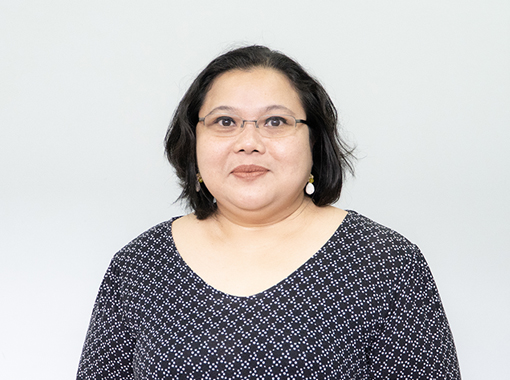
  • St. Paul College Foundation Inc., Philippines – Bachelor of Education with a major in English
  • Busan International Foreign School, South Korea – EARCOS Global Citizenship Award, completion of Secondary education & multiple awards in sport and student leadership


Key Experiences

  • Third year at MIS. Joined as Year 3 Homeroom, moved to Year 2 in 2023. Other roles include: Primary School Counsellor, Designated Safeguarding Lead (DSL), Wellbeing Subject Lead & Primary Student Council Coordinator
  • Philippines – Year 11 & 12 English Teacher (including Oral Communication, Philosophy of Man, Personal Development & History). Also Year 7,8, & 11 English Teacher (including Oral Communication, Values Education, Reading & Writing Skills)

Core Qualification

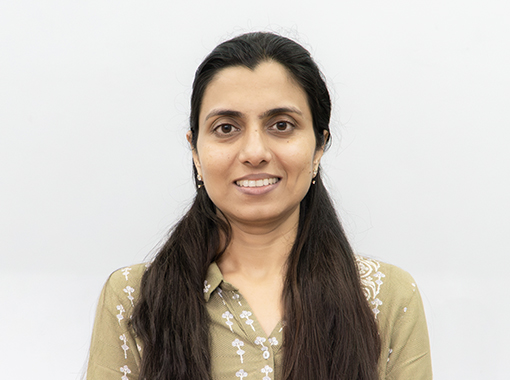
  • Cebu Institute of Technology, Philippines – Bachelor of Elementary Education & Early Childhood Education
  • University of San Carlos, Philippines – Bachelor of Sicence in Secondary Education


Key Experiences

  • MIS Year 1 Homeroom teacher for 2 years & promoted to Head of Lower Primary last year
  • Egypt- Early Years Homeroom (UK curriculum)
  • Malaysia-Early Years Homeroom & promoted toHead of Early Years (UK curriculum)
  • South Korea-Early Years Homeroom & headed Science, Music & Social Studies sequentially (Primary Years Programme)
  • Shanghai, China- Pre-Nursery Homeroom (UK curriculum)

Core Qualification

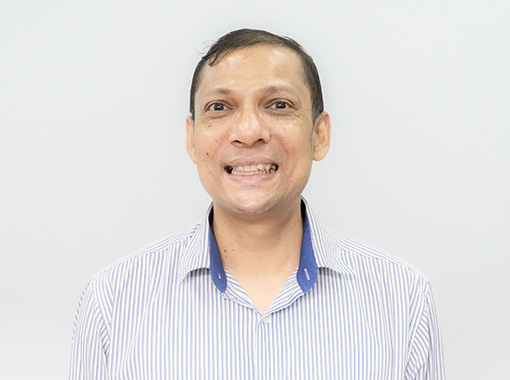
  • Dagon University, Myanmar – Bacherlor of English
  • Advanced-Level Diploma- Early Childhood Care & Development
  • Eastern Institute of Technology, New Zealand – Certificate in Business Communication and Oral English


Key Experiences

  • Taught at MIS for the past 15 years (one of our longest-serving team members!) in KG and Year 1
  • Horizon International School – Gained additional experience with three years as KG Homeroom Teacher
  • International School of Myanmar (ISM) – Began teaching career with 8 years as Teaching Assistant in KG

Core Qualification

  • UK Diploma Teaching English to Speakers of Other Languages (TESOL) & Certificates in Teaching Phonics & Teaching Knowledge
  • Ministry of Social Welfare, Relief and Resettlement, Myanmar – Diploma in Early Childhood Care and Development
  • Dagon University, Myanmar – Master of Science


Key Experiences

  • A value member of the MIS team for 14 years
  • Began career as an assistant teacher, gaining 6 years of experience in this role
  • With additional experience & qualifications, transitioned to Homeroom Teacher to pursue her passion for teaching as lead facilitator

Core Qualification

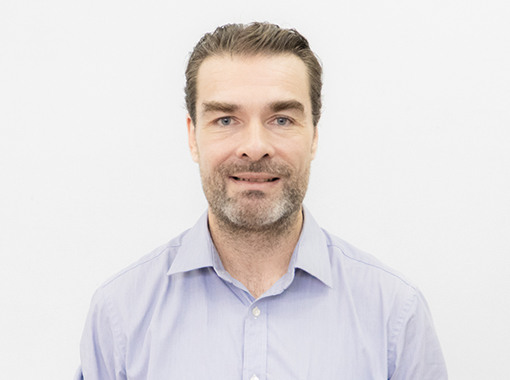
  • Diploma in Fitness & Diploma in Sports Nutrition (Udemy Inc)
  • Teaching English as a Foreign Language (TEFL)
  • Bachelor of English Literature (Canterbury University, UK)


Key Experiences

  •  Joined MIS in 2023 as Year 4 Homeroom, & taught English
  •  China-Top Shanghai international school for 4+ years, English Teacher to students aged 3-12 (in person & online)
  • Taught taekwondo to students aged 3-12
  • Before teaching: Field Manager, Market Development Manager & Corporate Trainer
Rebecca is from Xi’an in China and she has been teaching in international schools for six years. She obtained her BA in education and her teaching licence from the University of Xi’an. She then completed a Master of Education Degree with Moreland University in the United States. In the last academic year, Rebecca also completed her QTS, the British teaching qualification. She also had a Level 5 TEFL, an English Teaching qualification. She is looking forward to meeting all her students in August, and helping them to learn more about China and the Chinese Language.
K Khaing is from Myanmar and has been teaching at international schools here for 10 years. This is her first year at MIS, where she will be an EAL teacher for primary students. K Khaing holds a B.A. English, Diploma in English and a Diploma in Information Technology. She has also completed a full time TEFL certificate at college in Chiang Thailand. She has attended workshops on Jolly Phonics and Jolly Grammar and will be using these in her teaching at MIS. She also has experience working with students who need extra support and require an advanced program of learning in order to reach their full potential.
Theint Thiri Soe is very excited to be joining the staff at MIS as a teacher of physical education at MIS. She is from Yangon, Myanmar and before joining MIS, she taught at Brainworks International School for two years. Theint Thiri Soe earned her bachelor’s degree, B.Sc (sports) from Dagon university.
Tin Tin San is a specialist art teacher and has a Bachelor’s degree (B.A) in painting from the University of Culture, Yangon. Tin Tin San has been a freelance artist for 21 years and has been teaching Art since 2008. Prior to joining MIS, she taught at Crane International school Myanmar for four years. This year, Tin Tin San will be utilising the Cambridge Art Curriculum to expose our students to a range of different artists and techniques.
Su Mon is the MIS Librarian and has been a Library Professional for over 10 years. She joined MIS in 2018 to provide library services students and faculty members. During the pandemic, Su Mon also worked as a Year 6 assistant teacher but is thrilled to be returning to the library. She holds a Master of Research Library and Information Studies ( M.Res LIS ), a Master of Library and Information Studies ( MLIS ) and a Diploma of Library and Information Studies ( Dip LIS ) from the University of Yangon. Her bachelor’s degree is a B.Sc Mathematics. Su Mon earned her certificate of Ethics and Public Service training from the Idaho Commission for Libraries (USA) in 2020. She completed her teacher training in Early Childhood Care and Development ( ECCD ) course in 2020.
Aye Hnin Phyu has a Bachelor Degree in Science and a Diploma in TESOL. She also has a Diploma in Early Childhood Care and Development (ECCD). This will be her 12th year at MIS and she will be teaching Myanmar Language, Music and Art in lower primary and Myanmar Language for Foreign students in upper primary. She is excited to get to know all her students and is sure that they will have lots of fun learning together this new school year.
Arlene is an experienced international school teacher and has worked in International education for over 17 years since completing her teaching degree. Arlene joins us after 2 years in the Royal British International School in Cairo Egypt. She was previously the Head of Early Years and served on the senior leadership team during her 5 year posting in Malaysia. Prior to that she spent 5 years teaching at Busan International Foreign School, South Korea and 5 years at The British International School, China.


Core Qualification

  • University of Western Sydney, Australia – Master of Education (with an emphasis on the effective teaching of Mathematics)
  • University of New South Wales, Australia – Bachelor of Commerce


Key Experiences

  • MIS UP Homeroom Teacher for 13 years
  • Excellent understanding of Cambridge Curriculum & Year 6 Checkpoint test expectations in particular
  • Extracurriculars include sports coaching & Primary StuCo.
  • Australia – Taught students up to High School level in Sydney with a specialism in mathematics

Rosie has been teaching at MIS for five years, but is originally from Cambridge, UK. Over the past 10 years, she has also taught in schools in the UK, USA and Spain. She earned her bachelor’s degree in History from the University of East Anglia and then went on to study for her PGCE at the University of Cambridge, where she received her QTS (Qualified Teacher Status). In her spare time, Rosie enjoys walking her three dogs, reading and writing, as well as improving her fluency in Spanish. Rosie is looking forward to completing many fun and fascinating projects in her classes this year. She is excited to work as a team with her colleagues, students and their parents, to inspire a love of learning and to raise achievement at MIS.
Nelson has been teaching PE for more than 10 years and this year will be the 5th year with MIS. Nelson was a former Myanmar National Table Tennis player and he is a professional C License Football coach (AFC). Nelson is a certified teacher of PE (Healthy Practice: Physical Activity, Nutrition, Community and Family Participation verified certificate from University of Colorado).
Elena has been teaching EAL for more than 15 years and this year will be the 6th with MIS. Elena is a certified teacher of English (Specialist Degree in Teaching English and TEFL certificate). She has taught the English language at all levels.
Reese is going into her 5th year at MIS in which she has been teaching Korean in Middle School. Reese graduated from a College in Canada and worked at an English academy for three years in Korea.
U Aung Myat Moe has been teaching Myanmar since 1992. He has worked at ISY as a substitute and part-time Myanmar Language teacher before joining MIS where he has been teaching Myanmar Studies and Myanmar language for 6 years. He also serves as a part time lexicographer in the Myanmar lexical databases project at the Department of Myanmar Nationalities Languages, Ministry of Education. He holds a BA (Myanmar)
Callis is going into her 6th year at MIS in which she has been teaching Chinese in Middle School and IGCSE, A&AS-Level Chinese in High School. Callis is an experienced educator with a proven record of exceptional student achievement Callis graduated from a university in China with a BA in teaching Chinese as a Foreign Language. She used to run a major dancing community in Wuhan, and is currently pursuing her Master’s in Education.
Alma has been teaching music at MIS since it was established in 2009. She holds a degree in Bachelor of Science in Elementary Education Major in Music. She taught at Yamaha Music School before joining the international schools in Yangon, Myanmar. Currently, she is teaching music in lower, upper primary, and middle school. She has had various training sessions on the Orff and Kodaly approach to music education for a productive and enjoyable music program.
Peter has Art and Teaching qualifications from the University of KwaZulu Natal and the Peninsula University of Technology, South Africa. He has taught Art for many years from Primary to Tertiary Levels in South Africa and Thailand. He is thrilled to be at MIS and aims to help learners grow by developing their individual strengths to achieve their best in Art.
Dr.Eshwari, has been in teaching field and school administration for more than 12 years, worked as a HoD of Commerce and Humanities and high school teacher handling subjects like Economics, Business Studies, Global Perspectives, Geography and Travel and Tourism. She has worked in a couple of international schools in Maldives, India and Myanmar. She is well familiar with Cambridge, Edexcel, AP and IB MYP, DP curriculum. She holds a Masters and Ph.D in Economics from University of Madras, India. She has undergone a number of professional development courses and workshops provided by Cambridge and IB. Being a CAS coordinator in her previous workplace, she has involved the whole school agents to take part in and outside school community services, starting In-school club activities, conducting intra/inter school competitions.
Eleanor has been teaching for more than 15 years in varied levels, from Preschool to college, and some special education students, both in the Philippines and in various cities in Myanmar. She started teaching in Cambridge International schools in 2019, in Mandalay, then Monywa and now in Yangon at MIS. She was also a High School Counselor and a College Counselor back in the Philippines. She holds a Bachelor of Science in Psychology degree, with earned units in Sociology and Anthropology, and Education, as well as a Diploma in Special Education. She has yet to finish Master in Education in Special Education. She has a Professional Teaching License from the Professional Regulation Commission (PRC) of the Philippines and a member of the International School Counselors Association (ISCA) as well as Myanmar International School Counselors Association (MISCA) . She has certificates of completion in TEFL, Cambridge Primary Science both Introductory and Extension (0846 and 0097), Designated Safeguarding Lead – Level 3, other teaching and counseling related training certificates and in March 2023, Cambridge International AS and A Level Psychology (9990) Introductory and Extension by May 2023.
Nidhi has been teaching Business at MIS for 10 years now, starting with IGCSE Business Studies, and offering AS & A level Business classes as the school expanded. She has also worked in other areas such as being a Homeroom teacher, organising secondary electives, international day, and student support through these years. She holds a Bachelor of Business Studies (BBS) and an MBA degree and worked in the corporate sector before embracing teaching as her full-time profession.
Christian has 3 years teaching Year 8 Social Studies & and 2 years teaching Business Studies at MIS. This year Christian will teach IGCSE and Middle School Global Perspectives. Christian was born in England, raised in Hong Kong and spent most of his teaching career in China. Christian studied BA Social Anthropology (Kent, UK); PgDip, Travel & Tourism (Nottingham, UK); PgDip, Business Administration (Melbourne, AUS); and later American TESOL (China cohort). Christian is a dedicated teacher who inspires students in creative ways by employing imaginative approaches to lessons that help them make real life connections.

Kalinga is an experienced, qualified, enthusiastic and kind teacher who has a passion for teaching chemistry. He has a B.Sc., and M.Sc. and a Postgraduate Diploma in Science Education. He also holds a Postgraduate Certificate in Advanced Organic Chemistry. For his valuable and active participation in carrying out scientific research, he has also
been awarded the Presidential Award for Scientific Research.
In his 20-year-old successful career in education, he has taught chemistry at well- established and prestigious International Schools in Sri Lanka, Oman and Saudi Arabia. Kalinga is married to Indrani and has two daughters.

Edwin is a Bachelor of Science (BSc) graduate He is also a holder of a postgraduate diploma in education (PGDE), an MIS diploma in IT and currently working on his master of science (MSc) project in Physics. He has served as the CPD Coordinator and a head of science and mathematics department. He has undergone a number of trainings for professional development in both subjects. He has been teaching Physics and mathematics for over 18 years now. He has experience in interacting with and guiding the learners to maximize their individual potential. He is pleased to be part of the MIS team.

Komalsh has been a Biology Teacher for the past 12 years, specializing in IGCSE and A Level content. She is an alumnus from The University of Malaya, Kuala Lumpur, graduating with a BSc& B.Ed. (Hons) and MSc. Ed.
Komalsh has training in marking for A levels Biology from CIAE. She also is a Microsoft Certified Trainer. Komalsh enjoys reading, baking and working on petit legos in her free time, she will continue to play a great role under the Science Department.

John is an enthusiastic Apple Certified Teacher who holds a Bachelor’s Degree in Computer Science and is technically certified in several operating system platforms. He is a Certified HUAWEI Cloud Computing Engineer, Certified Cyberoam Network and Security Professional (CCNSP), Networking and operating systems (GOOGLE), Certificate in teaching Computing, British Computer Society. John specializes in getting students to understand the practical side of computers and always has the students’ needs in mind.

Anthony brings a wealth of experience and expertise to his role as an ICT Specialist Teacher at MIS. He holds a Bachelor of Science (BSc) and a Master of Science (MSc) in Computer Engineering,providing him with a strong foundation in the technical aspects of the field. With over 18 years of experience teaching in international schools across diverse countries, Anthony possesses a deep understanding of curriculum development and effective pedagogy within a multicultural environment. His commitment to professional development is further evidenced by his TEFL certificate, Executive Diploma in TESOL, and various professional certificates awarded by the British Council. These certifications encompass vital areas such as Special Educational Needs (SEN), Learning Management, professional development strategies,digital technologies and leadership training

Edmer has been teaching at MIS for the past 9 years. He has been a middle school Mathematics teacher and an IGCSE Y10 Mathematics teacher. He holds a Bachelor in Secondary Education major in Mathematics and completed his TESOL certificate.

Dr.S.Purushothaman has been teaching Mathematics for more than 15 years at various Cambridge international schools in India, Maldives, Qatar and Thailand for AS, A Level, IGCSE and international Mathematics. He had experience in digital teaching by using Mymaths, cinch and Aleks programmes and guiding the students for ACT, SAT. He holds a professional development course in Intermediate Cambridge IGCSE & A Level Mathematics. He holds a Doctorate in Mathematics at University of Allahabad and Master of education at University of Bangalore. He is completely ready to use modern technology in teaching and learning process, giving extra care for students who need to improve their learning skills. His motto is to nurture the students and make them a better example in their life for others.

Marilyn has been an educator for the past 30 years in various capacities and grade levels in South Africa. I am especially passionate about teaching English and creating a passion in the students. Marilyn has a Teaching qualification from the University of the Witwatersrand, an IEB Assessor and Moderator’s certificate, Cambridge training and also Steve Jobs training from the University of Maastricht in the Netherlands. Marilyn is looking forward to creating a passion for English and making a fundamental difference in the lives of the students in the coming academic year.

Tony has been a teacher in an international setting for 11 years. He has been a Middle School English and EAL teacher at MIS for the past 3 years. Tony has a NZ Bachelor in Education,Cambridge English Language Teaching certification (CELTA), IELTS Invigilator accreditation (IDP), and a NZ Diploma in Business Management.

Mr. Anthony is British, gaining his teaching qualifications from Birmingham and Wolverhampton Universities with honours in the UK. He has been teaching all the Sciences (Biology, Chemistry and Physics) since 1979. He started his teaching career in England but his experience includes 34 years overseas work in some of the finest British curriculum schools around the world, including schools in Turkey, Malawi, Brunei, China, South Korea, Malaysia and Egypt. He also has management and teacher training experience with the British Government’s Overseas Development programmes. South East Asia is his favourite part of the world.

Vinodh has Masters in Science (Physics & Mathematics), B. Ed(School Education) & ESOL Diploma from Cambridge University. Over the past 23 years, Vinodh has worked with young people as a teacher and youth worker. His experience with established as well as new schools in India, Singapore,China, Malaysia, Papua New Guinea & Myanmar has helped him to discern closely the constantly evolving needs of schools and varied demands of different students and curricula. His personal and professional experiences of working in various schools across the globe played a significant contribution to motivate and inspire students, be it may be as a class teacher or as an administrator. He is extremely delighted to continue the role of Secondary Principal. His area of focus is to make sure that each and every student in MIS takes a keen interest in learning, experiences amazing learning and score above potential in all of their academic disciplines.